
Wine & Food Trails
The country that changed the world’s mind about Sauvignon Blanc.
New Zealand's modern wine industry is barely fifty years old. Marlborough's first Sauvignon Blanc vines went in during 1973, and by the 1990s the style had rewritten global expectations of the grape. There are now ten major wine regions spread across 1,600 kilometres of latitude.
Marlborough
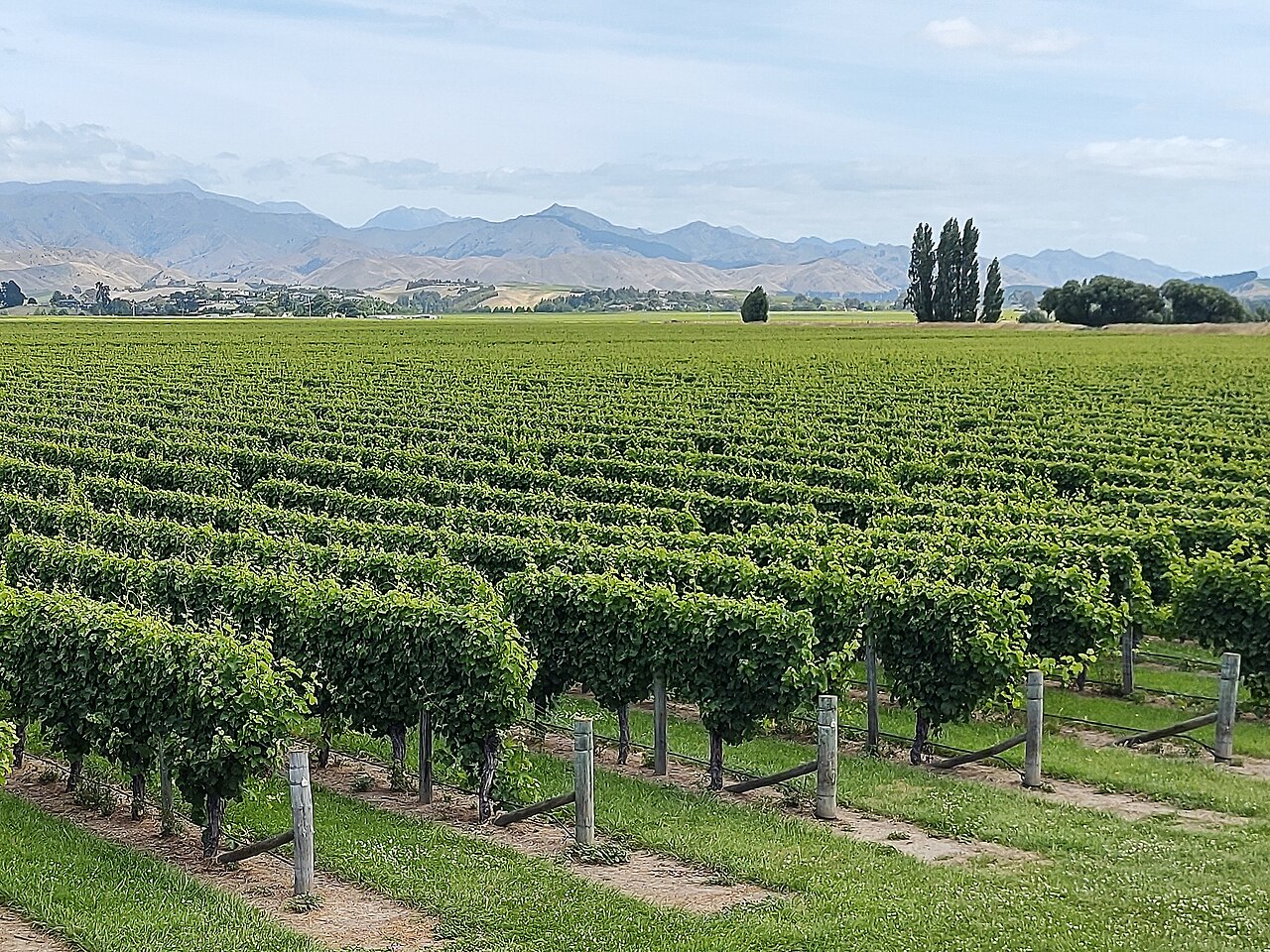
Around two-thirds of all New Zealand wine comes from Marlborough, at the top of the South Island. The Wairau and Awatere valleys have long sunshine hours, cold nights and stony free-draining soils — the combination that produces the aggressively aromatic Sauvignon Blanc the region is known for.
Cellar doors are dense enough around Blenheim to be visited by bicycle, and a number of operators run guided cycle tours precisely because of the tasting involved.
Pinot Noir country
Central Otago, around Queenstown and Cromwell, is the world's southernmost commercial wine region and produces New Zealand's most celebrated Pinot Noir. Gibbston, Bannockburn and Bendigo each have a distinct character within a short drive.
Martinborough in the Wairarapa, an hour over the hill from Wellington, is small, walkable and also Pinot-focused. Its village is compact enough that most cellar doors are within fifteen minutes on foot.
Eating around it
Bluff oysters (March to August) and Fiordland crayfish are the two seafood items worth reorganising a trip around. Green-lipped mussels are farmed in the Marlborough Sounds and served everywhere near them.
Hawke's Bay pairs Bordeaux-style reds and Chardonnay with an established food scene around Napier and Hastings, and it is the country's main fruit-growing region.
Manuka honey, whitebait fritters on the West Coast in season, and the hāngī remain the distinctly local things to try.
Header photograph by Jonathan Harker via Wikimedia Commons, licensed CC BY / CC BY-SA.